Book A Carpet Cleaning Service
Different stains respond differently to cleaning in the same way. The spray that works on a muddy footprint can set a coffee stain for good. Hot water that loosens grease will lock protein stains straight into the fiber. The carpet-cleaning machine you rented can leave so much moisture behind that the stain looks worse two weeks later than it did before you touched it.
Pinnacle Eco Clean has been cleaning carpets and upholstery across Rochester and Monroe County for over 45 years. What we see more than anything else is stains that got treated before anyone knew what they were dealing with. Every stain is different, and why the DIY approach fails when the stain actually matters to you.


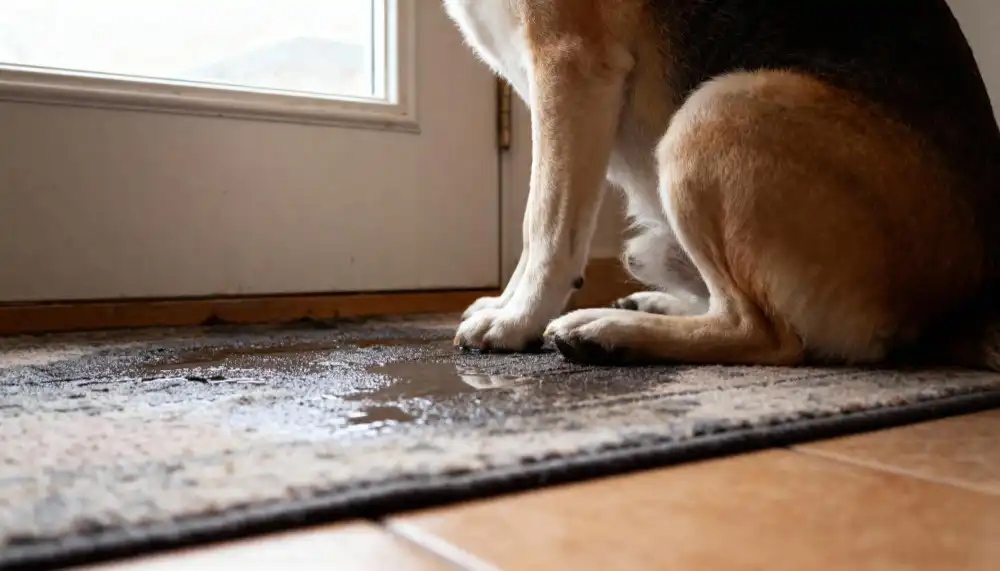
Blood, urine, milk, vomit, anything biological. The rule with all of them is the same: no heat. Hot water bonds protein directly to the fiber and locks the stain in. Cold water and the right treatment can pull most of these out. The wrong temperature guarantees they stay.
Pet urine is in its own category because it soaks through the pile, through the backing, and into the padding below.
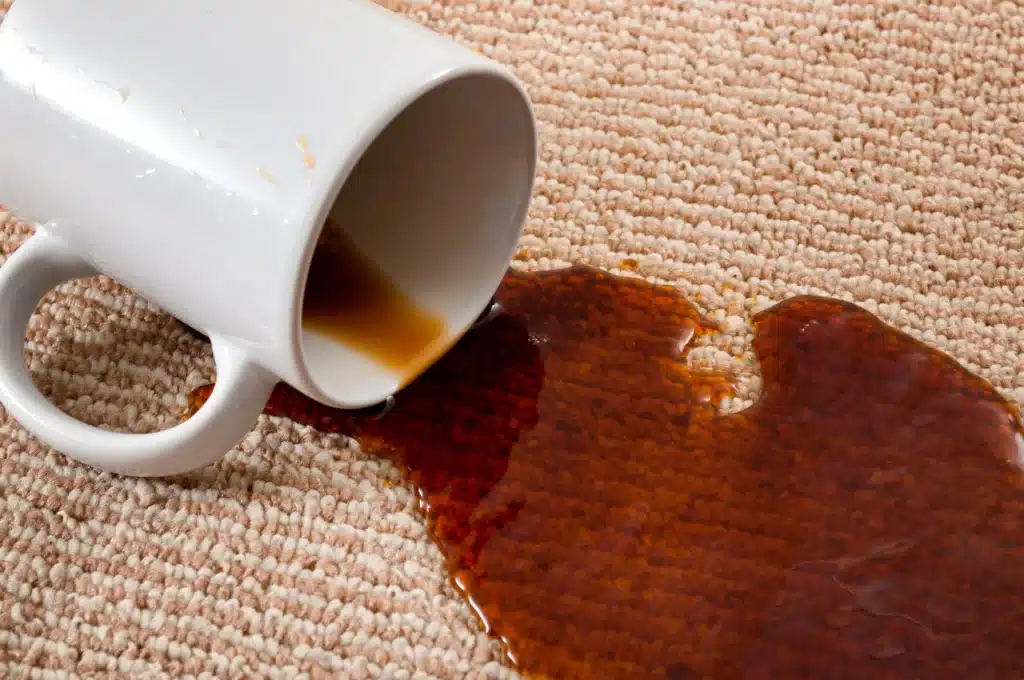
Coffee, tea, wine, beer, fruit juice. Tannin stains are plant-based and bond to fiber fast. Most off-the-shelf carpet sprays use alkaline-based formulas. Use the wrong product, and you’re not removing the stain; you’re helping it grip.
Red wine has both tannin and pigment, so it behaves like two stains at once. Blot immediately, don’t rub, and get cold water on it fast. After the first couple of minutes, what looks like a small surface stain can already have a much wider spread in the backing.
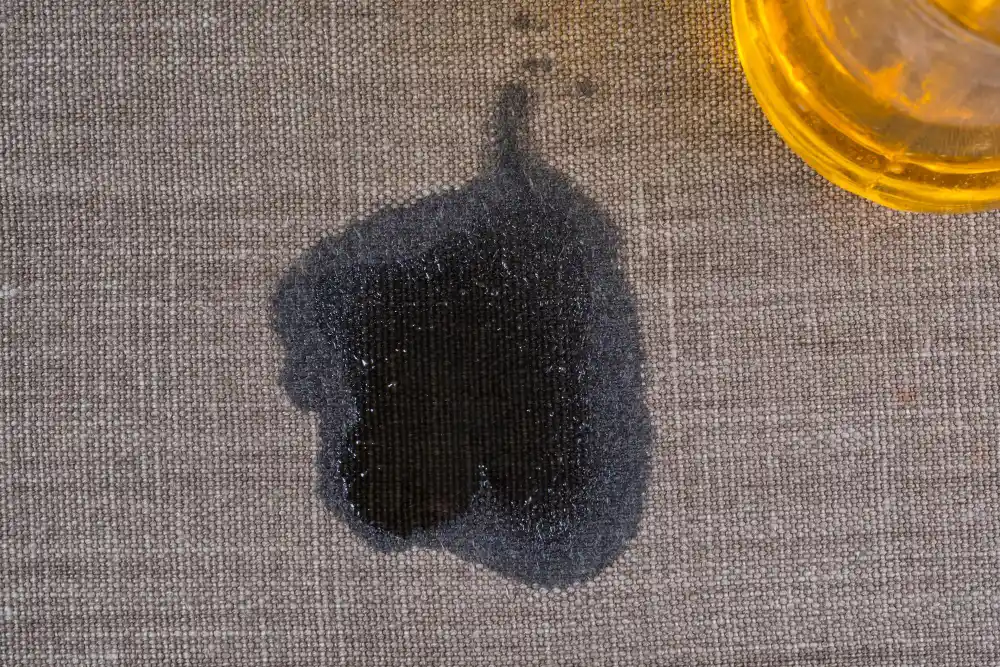
Oil and grease repel water. Pouring water on a grease stain moves it around it doesn’t lift it. And Water-based cleaners make oil stains worse, not better.
Polyester and olefin carpet, common in Monroe County homes, hold onto oily residue more than other fibers do. Upholstery is the same way. Body oils from skin and hair transfer to armrests and headrests constantly. By the time discoloration shows up, the buildup has been there for months.
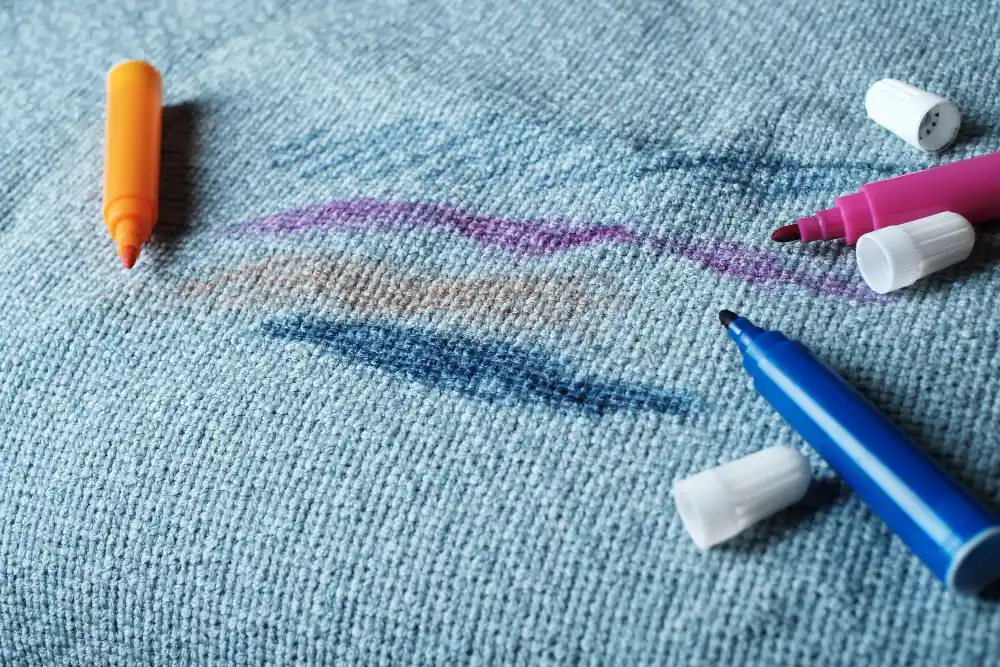
Permanent marker, red sports drink dye, grape-flavored candy, pet toys that bleed color when wet. These stains don’t sit on top of the fiber; the dye bonds into it chemically, which is exactly what dye is engineered to do.
Professional dye treatments can address these when they’re caught fresh, but no shelf product does what targeted dye chemistry does. If you’ve already tried something and the color is still there, stop. Every new product you add changes the chemistry we’re working with.
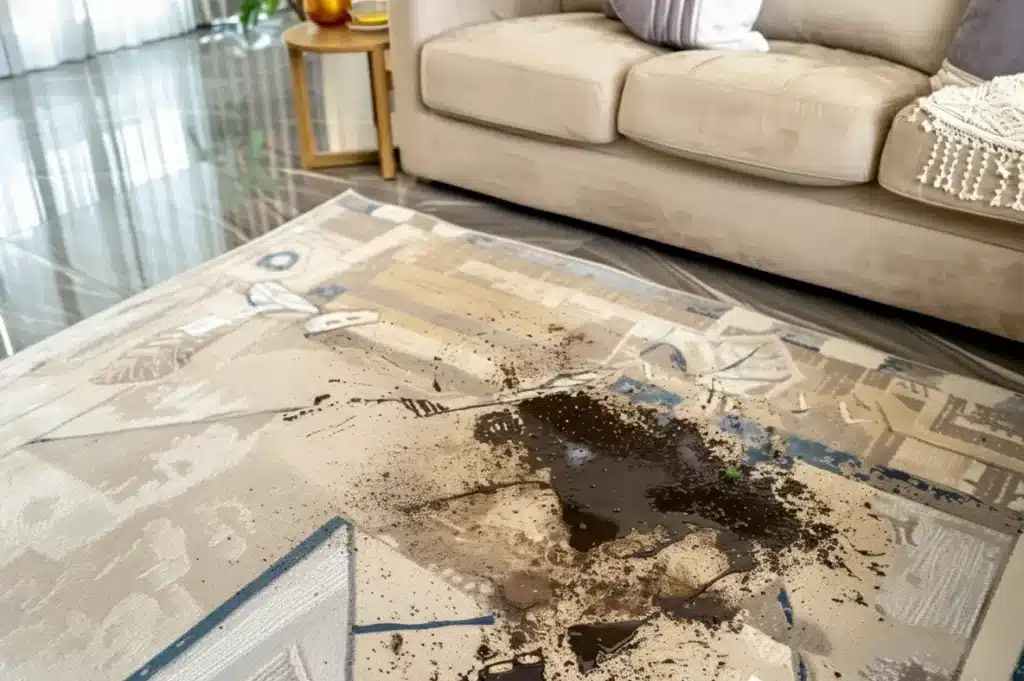
Salt, grit, and clay-heavy mud come in on every pair of boots and dog paws from November through April. Monroe County winters are hard on traffic lanes and entryways. Mud seems like an easy stain. It’s not.
Let it dry before you touch it. Scrubbing wet mud pushes it deeper into the pile. Once dry, vacuum first, then extract. Traffic lane soil is a separate issue; repeated foot pressure physically compresses particles into the fiber. Surface cleaning doesn’t reach it, which is why those areas look gray even right after vacuuming.
The Chemistry Doesn’t Match the Stain
Off-the-shelf sprays are built for general surface dirt. Protein stains need cold treatment and specific enzyme chemistry. Tannin stains need mild acid. Oil needs a solvent, not water. Dye transfer needs targeted chemistry matched to the fiber. A general spray applied to the wrong stain type can alter the fiber’s pH, spread the stain, or leave residue that pulls in more dirt within days. The wrong product on a fresh stain is the most common reason stains that could have come out end up set permanently.
Rental Machines Leave Too Much Water Behind
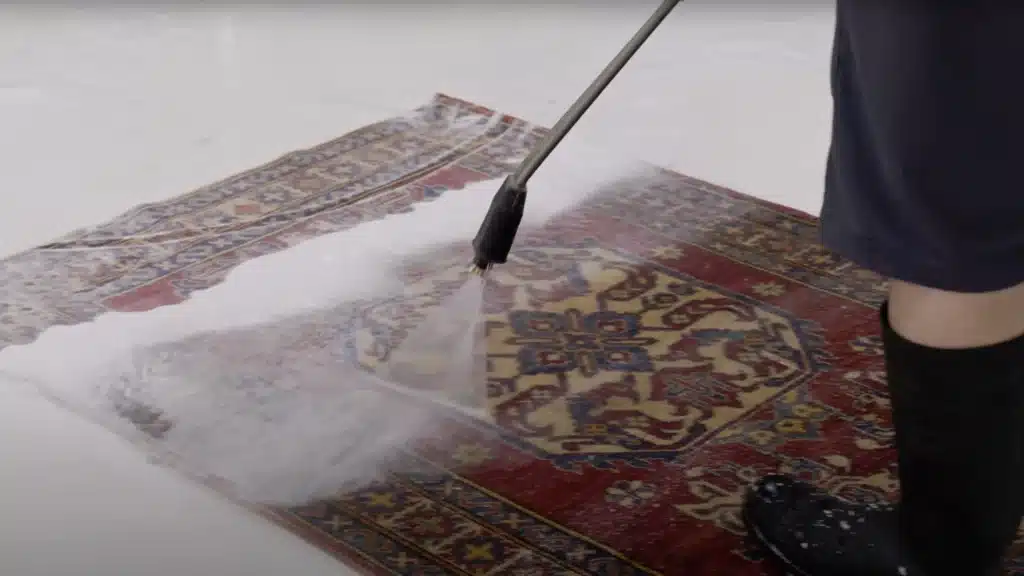
Grocery store rental machines don’t have the vacuum recovery to pull moisture back out of the fiber. The carpet looks cleaner when it dries, but the soil is now in the backing and padding, pushed there by water that had nowhere to go. Two weeks later, it wicks back up through the pile, and the stain reappears. It didn’t come back; it was always there. And all that leftover moisture is sitting in the backing, which, in a Rochester home dealing with heating-season humidity, is a real mold risk.
Scrubbing Damages the Fiber
Scrubbing spreads the stain, pushes it deeper, and breaks down the fiber surface especially on wool, berber, and upholstery fabrics. The texture damage shows up under certain light even after the stain is gone. Blot from the outside edge inward. Most people know that and still scrub when something valuable just got stained.
What Was Already in the Fiber Changes Everything
Old stain-guard treatments, prior cleaning products, and unknown spill history all of it changes how the carpet responds to anything new. We pre-inspect every job because what’s already in the fiber matters before we add anything else. That’s not a formality. It’s how we avoid making the problem worse.
Some fresh spills can be handled at home if you know what the stain is, act fast, and use the right treatment. Here’s when to skip the DIY attempt:
The earlier we get to a stain, the better the outcome. Some stains that look permanent aren’t. Some that look minor have already passed the point of full recovery. We’ll tell you which is which before we start, and we won’t charge you to assess it.
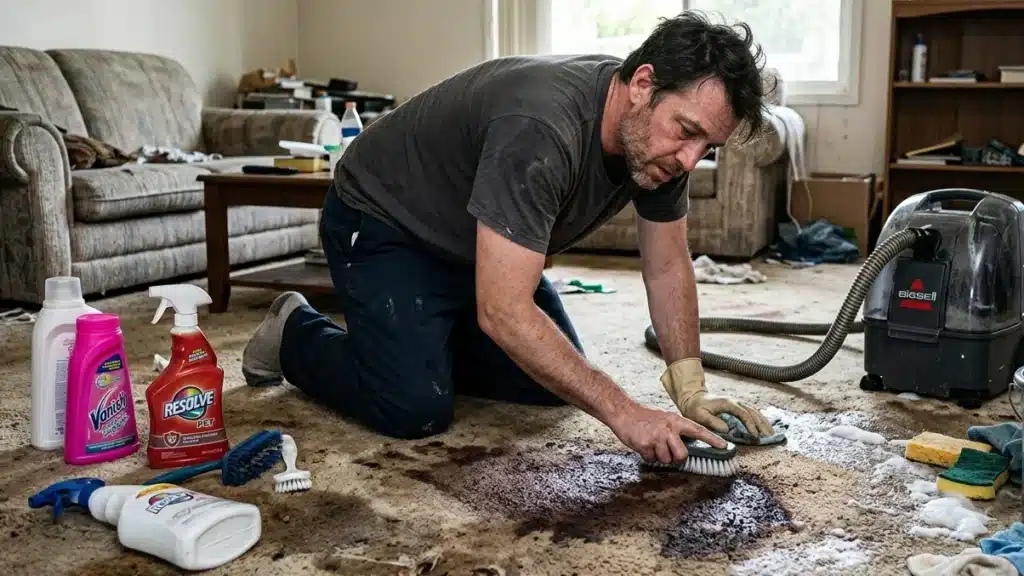
Use cold water, blot up what you can, and avoid scrubbing. The safe range is that. After that, give us a call first. Every product that is used before we arrive modifies the material we are working with, and some of them actually make removal more difficult rather than easier.
Sometimes yes, sometimes no. It depends on the stain type, the fiber, and what’s been done to it. Set stains are harder than fresh ones, but a lot of them respond well to professional treatment. We’ll assess it and tell you what to expect before we do anything.
Older pet urine that has oxidized far into the backing, bleach damage that has already permanently lightened the color, and dye stains that have completely adhered to the fiber. If we don’t think the results will justify the expense, we will let you know right away. That discussion takes place before, not after, our commencement.
Yes. Sofas, chairs, ottomans, and dining chair seats. Upholstery fabrics vary a lot, and we inspect the material before we do anything, just as we do with carpet. The fiber type and the stain type both matter.
Usually four to six hours with air movers running. Upholstery takes longer, depending on the fabric weight and cushion density. We always recommend keeping foot traffic off the carpet until it’s fully dry and leaving windows or fans running if the weather allows.
If you’ve already tried something and the stain is still there, stop. Every additional product you apply makes our job harder and can permanently change the fiber. Call Pinnacle Eco Clean instead. We serve Brighton, Fairport, Pittsford, Victor, Webster, Greece, and all of Monroe County. Same-day appointments are often available.
We inspect first, identify the stain type and the fiber underneath it, and use the right treatment for both. That’s how stains actually come out.
Call (585) 272-7847 to schedule an inspection.